3 hr 30 min
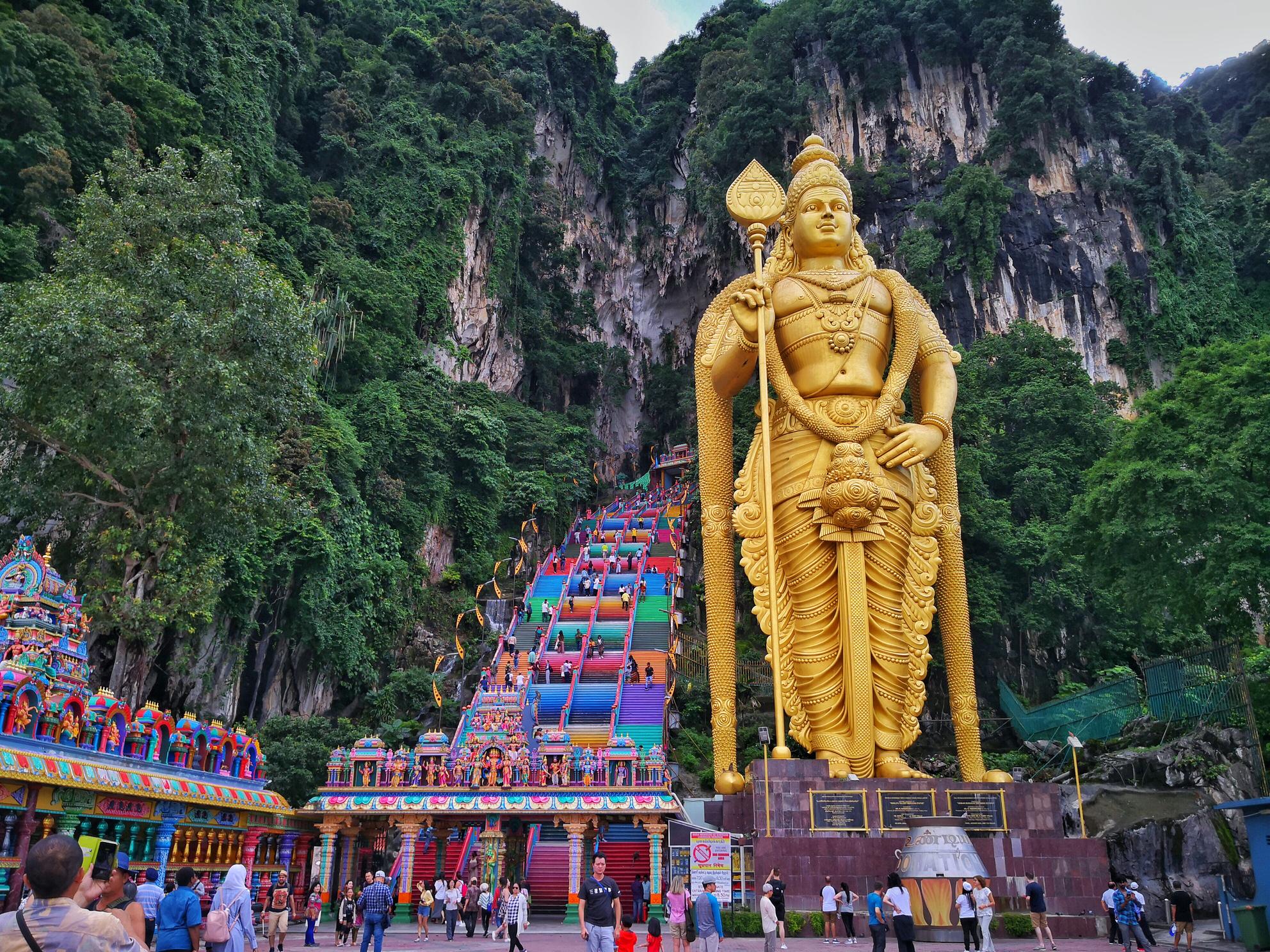
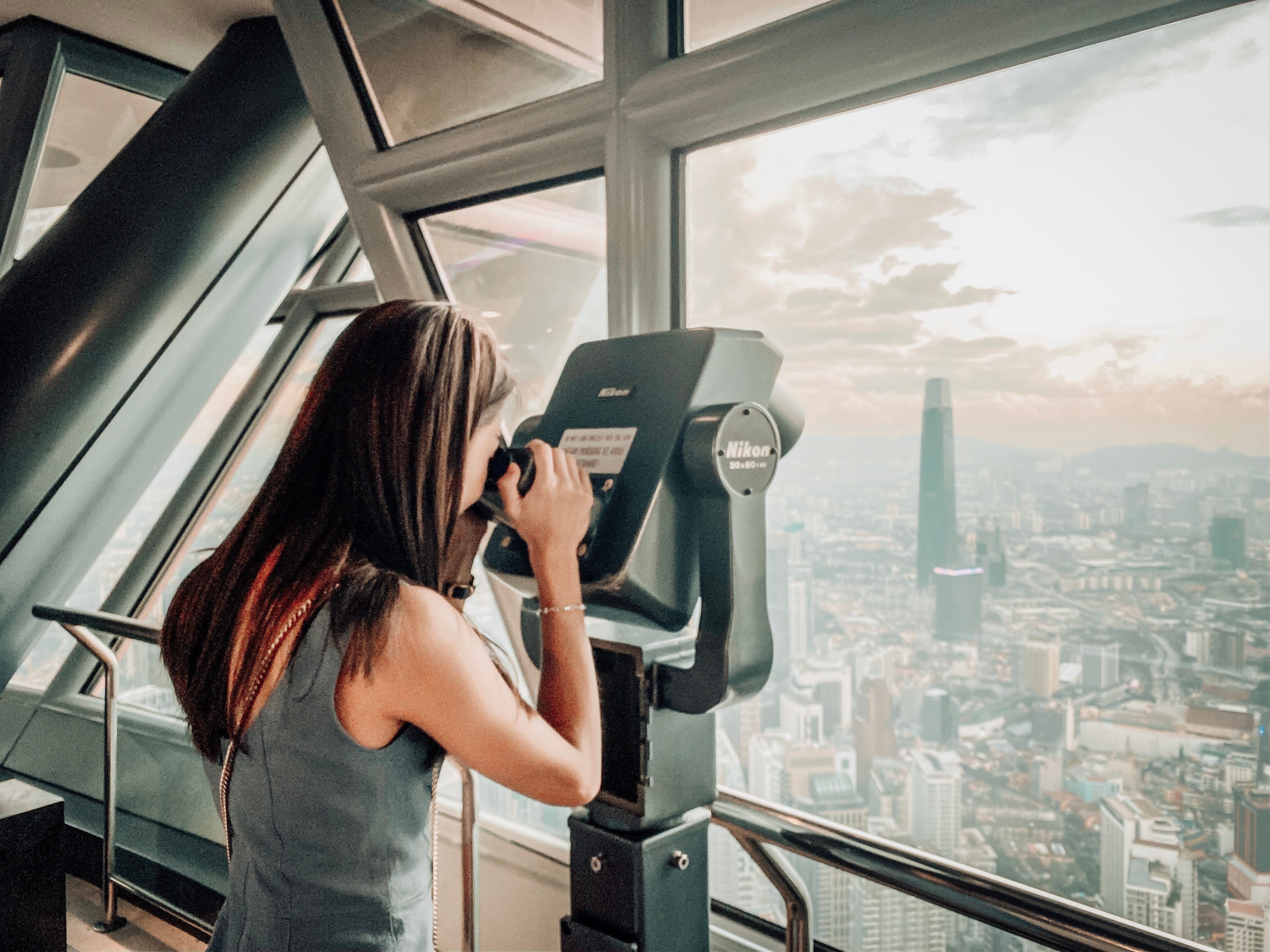
Batu Caves Half-Day Tour with Hotel Pick-Up
Explore Kuala Lumpur's iconic golden temple and a traditional batik workshop on a relaxed half-day trip.
Reserve
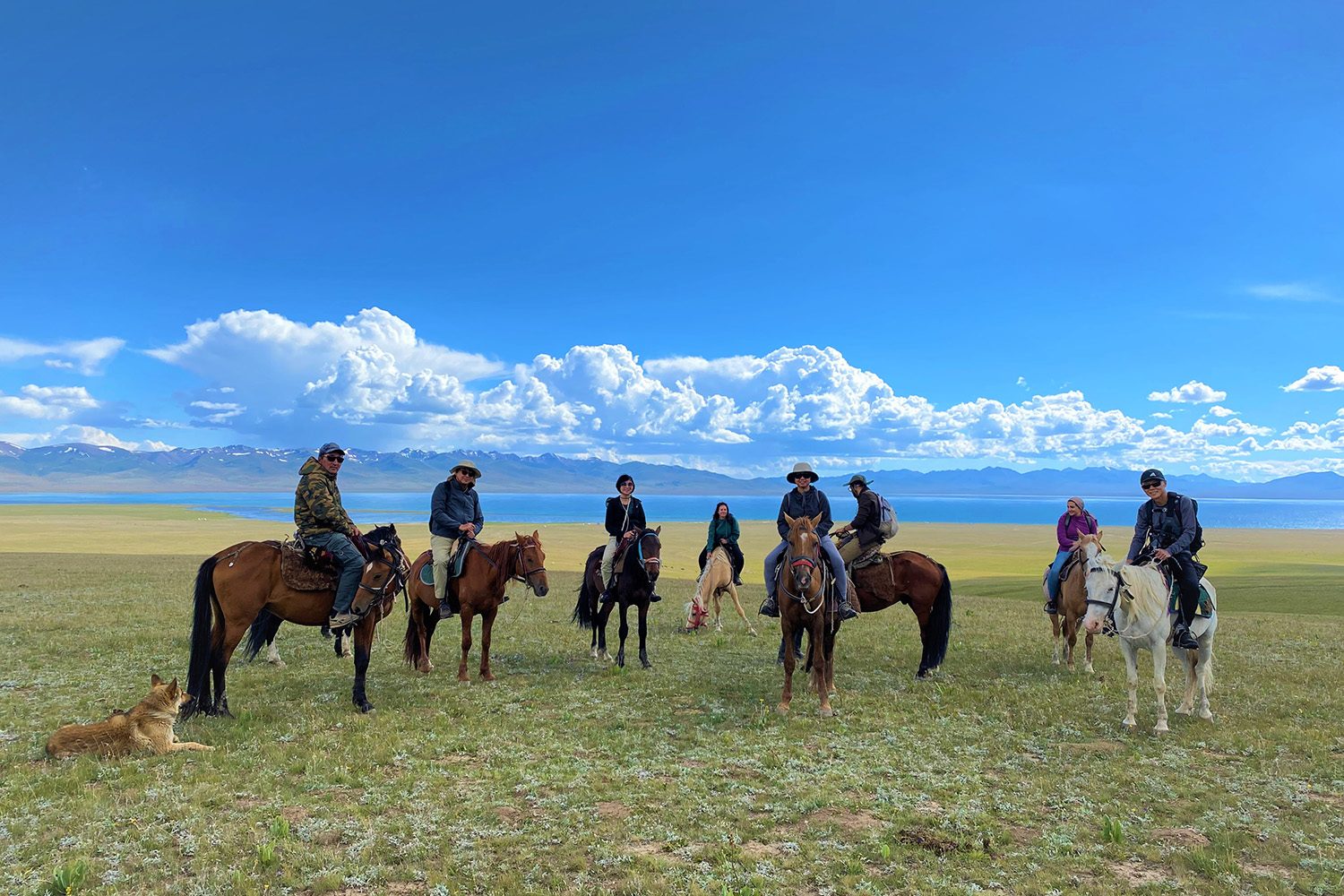
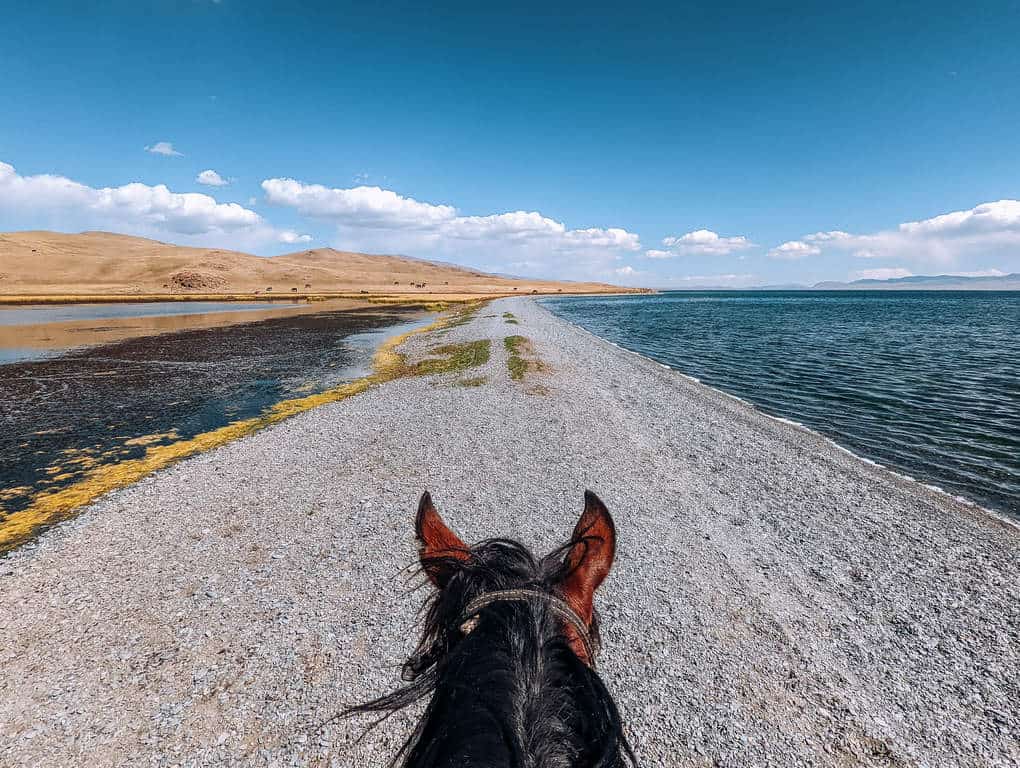
Three thousand metres of open pasture, one horizon of water.
Hand-picked by our editors — only the best 9 riding experiences from 142 reviewed.
Verified partners for Song Kul Horse Trek tours, free cancellation where available, and instant confirmation on every booking.
3 hr 30 min
Explore Kuala Lumpur's iconic golden temple and a traditional batik workshop on a relaxed half-day trip.
Reserve
10 hr
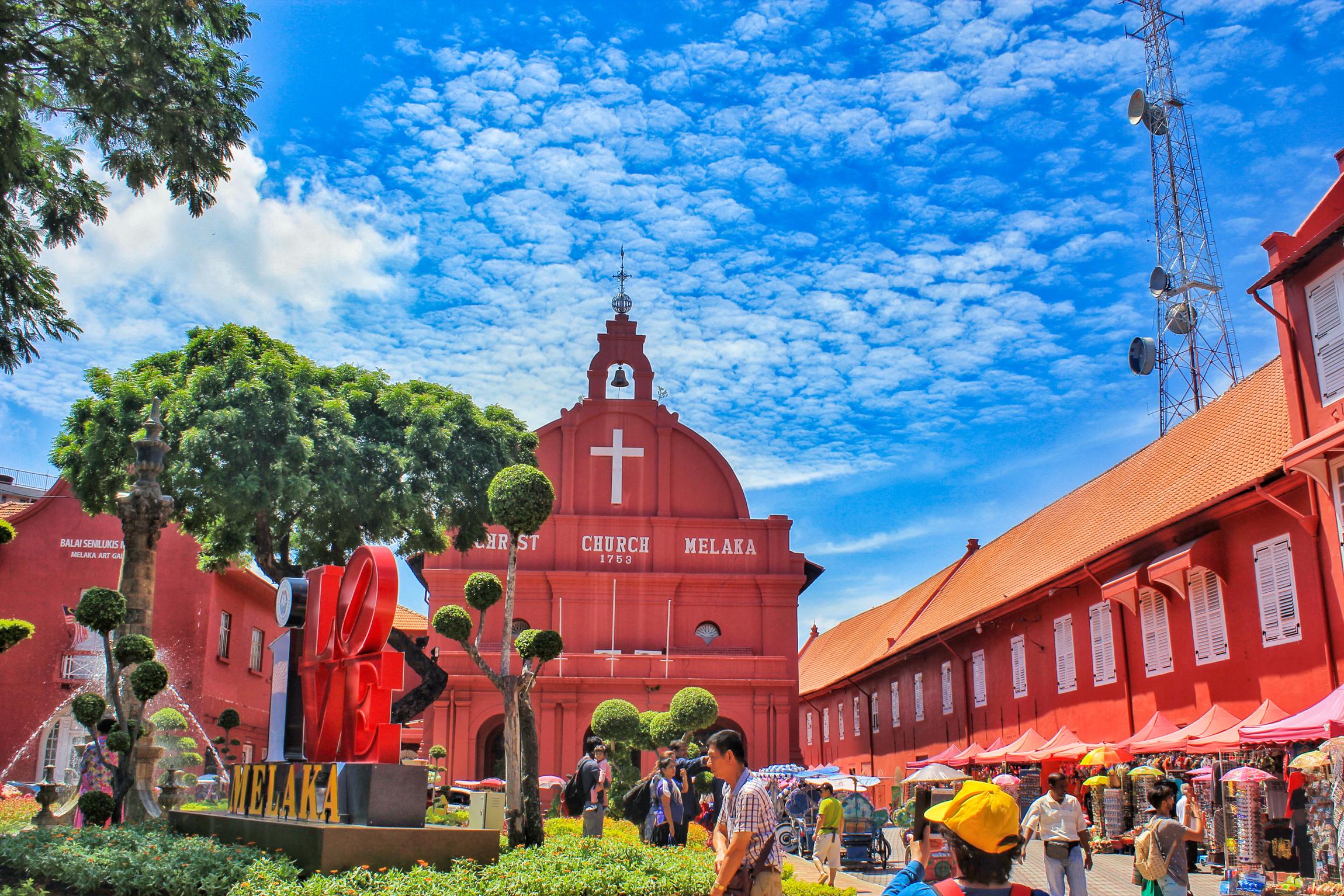
Full-day journey from KL through Malacca's colonial streets, temples, and river-front charm.
Reserve
4 hr
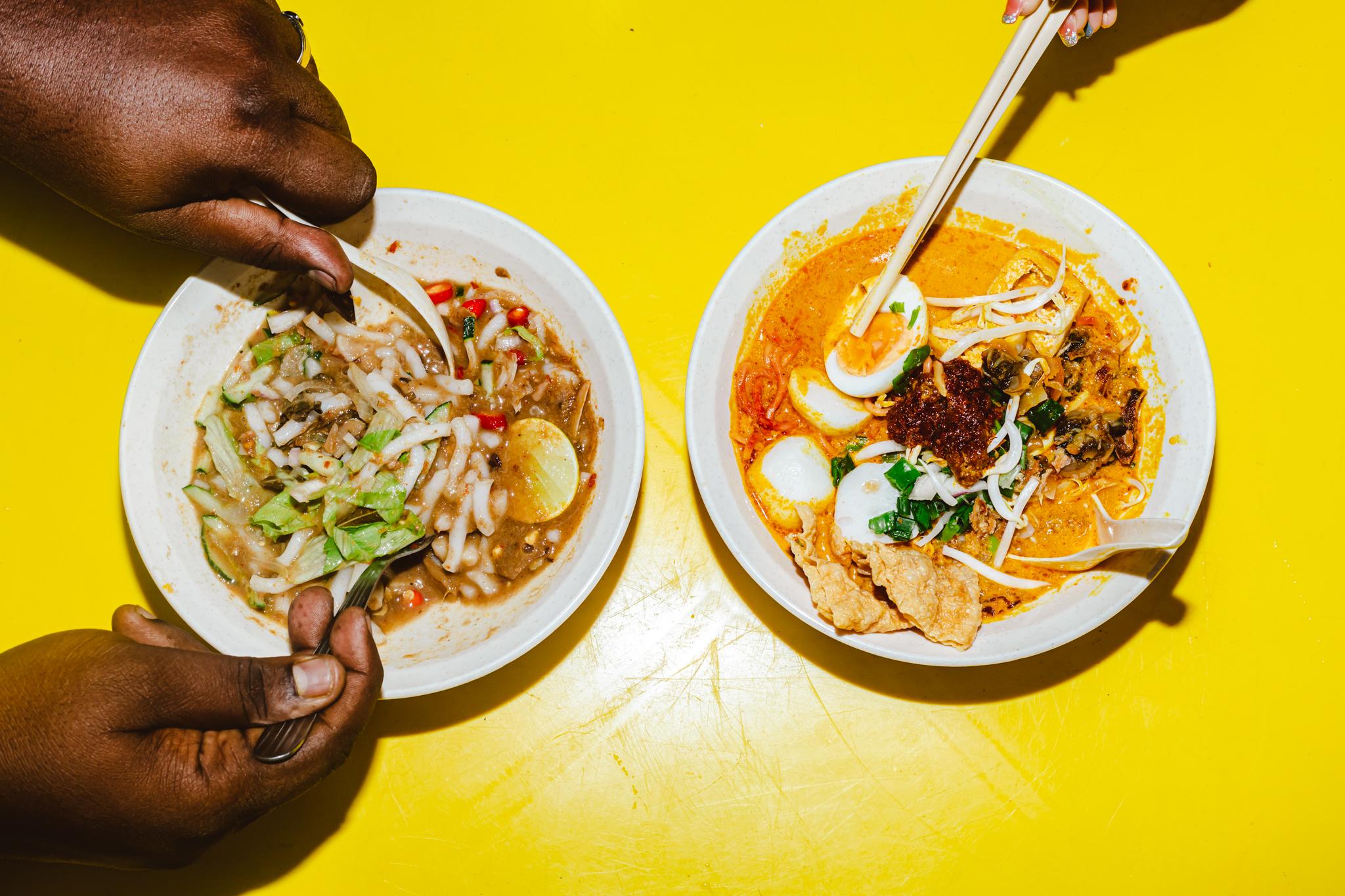
4-hour small-group food walk through KL's local eateries, 15+ tastings, no tourist traps.
ReservePrices from verified partners. Availability updates in real time at checkout. Free cancellation policies apply where shown.
The landmarks, rooms, and views travelers on Song Kul Horse Trek tours remember — all visible on a single visit.
Historical stone cairns dating back centuries.
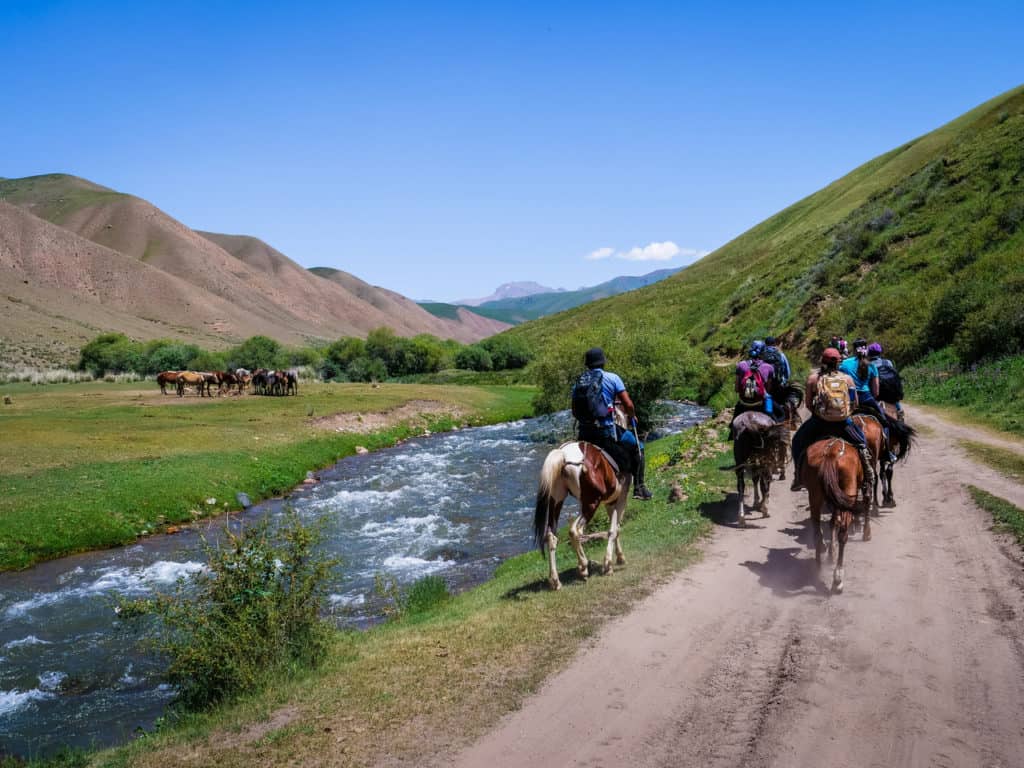
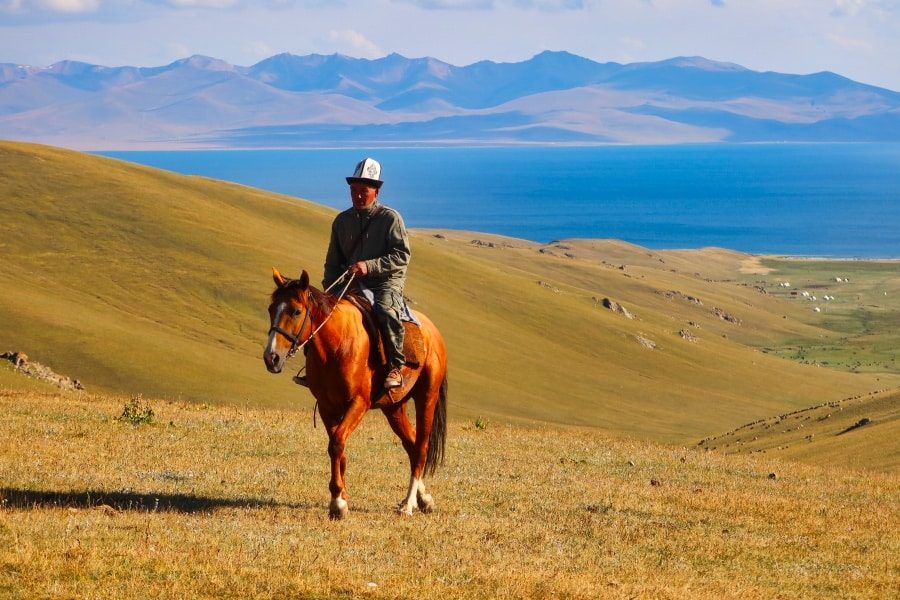
Vast green jailoos filled with grazing horses.
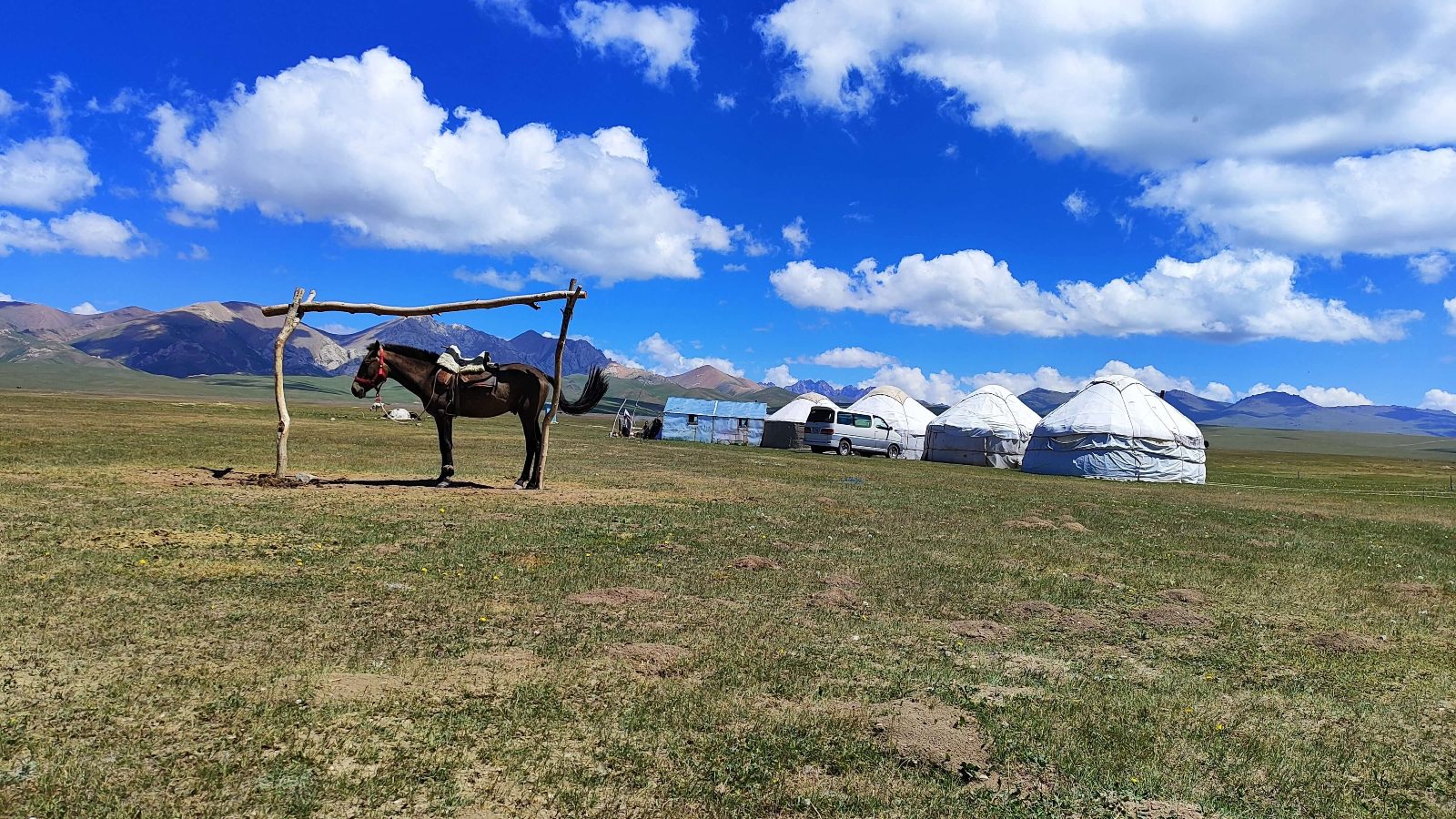
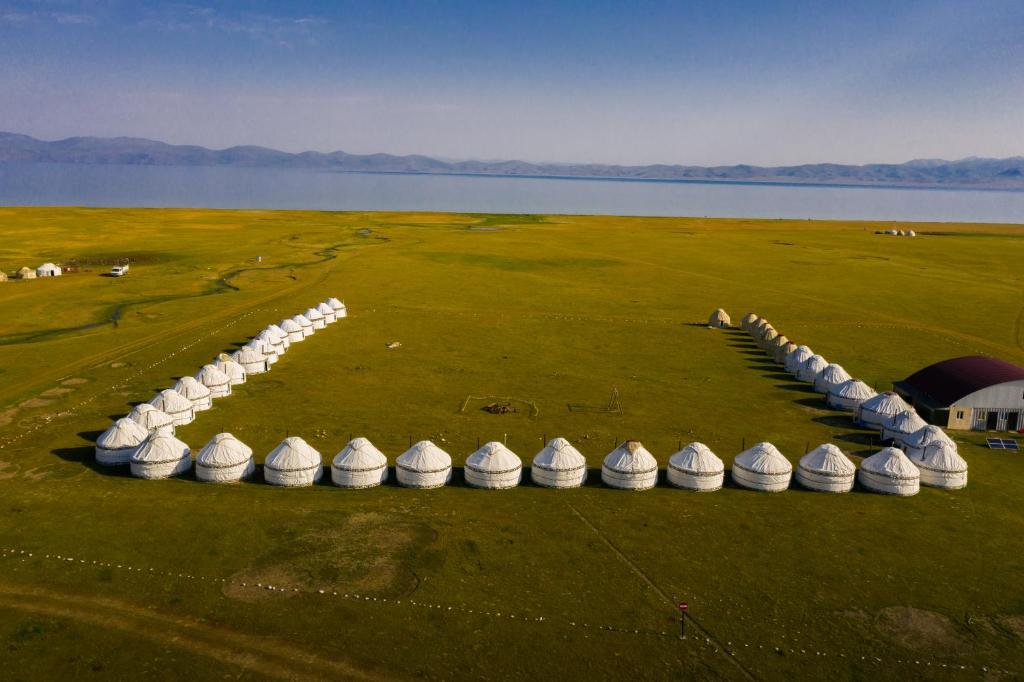
Authentic nomadic dwellings with local hospitality.
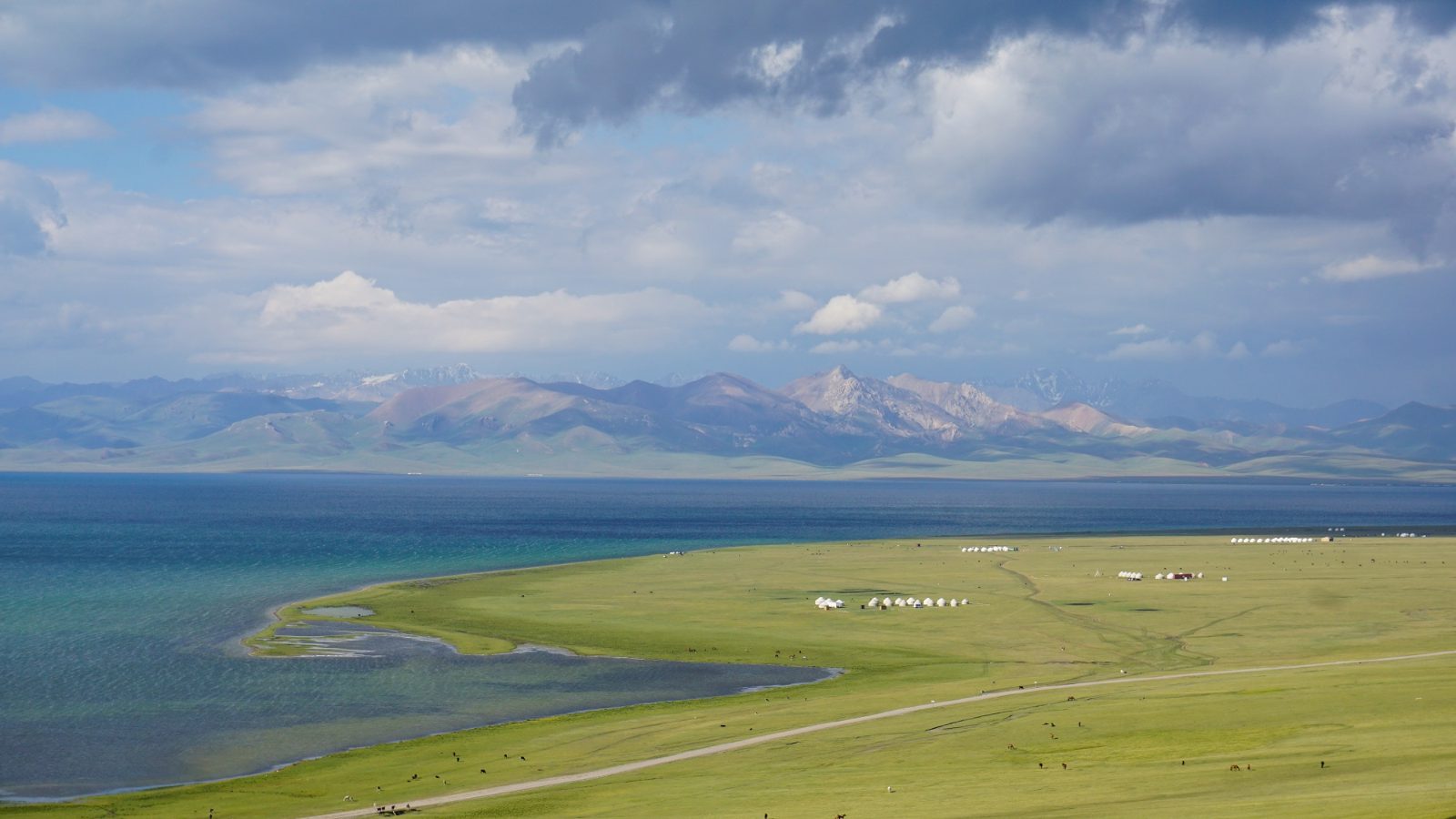
Panoramic vistas of the second-largest lake in Kyrgyzstan.
Traditional cultural displays of hunting heritage.
Every Song Kul Horse Trek tour side-by-side — duration, what's included, how you redeem.
| Experience | Duration | Rating | Transfers | Pickup | Small group | Free cancel. | Price | |
|---|---|---|---|---|---|---|---|---|
|
Guided Experience Most popular
Batu Caves Half-Day Tour with Hotel Pick-Up
|
3 hr 30 min | ★ 4.5 | ✓ | ✓ | ✓ | ✓ | €8 | Book → |
|
Guided Experience
Malacca UNESCO Day Trip from Kuala Lumpur
|
10 hr | ★ 4.4 | ✓ | ✓ | ✓ | ✓ | €26 | Book → |
|
Premium Combo
Kuala Lumpur Sambal Streets Food Tour: 15+ Tastings
|
4 hr | ★ 4.9 | — | — | ✓ | ✓ | €47 | Book → |
All prices from verified partners. Availability and exact terms confirmed at checkout.
They complement each other; most visitors who do both identify Son-Kul as the superior choice for high-altitude plateau relaxation, while Kel-Suu offers a more demanding wilderness expedition. A song kul horse trek provides a unique window into nomadic culture, whereas the rugged gorge paths near the Chinese border offer a more intense alpine adventure.
| Feature | Top pick Son-Kul Lake | Kel-Suu Lake |
|---|---|---|
Terrain difficulty |
Gentle rolling meadows | Rugged mountain gorges |
Infrastructure level |
Established yurt camps | Limited remote basecamps |
Physical demand |
Low to moderate | High due to steep inclines |
Access requirements |
Permit-free access | Border zone permit required |
Primary scenery style |
Alpine lake plateau | Glacier-fed cliff lake |
Accessibility |
High accessibility | Challenging and remote |
| See tickets → |
Verdict: Choose a song kul horse trek tour if you prioritize cultural immersion and ease of travel, or select Kel-Suu for raw geological drama and isolation, noting that song kul horse trek tickets are essentially non-existent as local guides manage all logistics independently.
Choose your ticket, select your date, and reserve in under two minutes. Secure checkout handled by our verified partner.
Instant confirmation by email, with a mobile voucher you can save offline. No printing, no queuing at a collection desk.
Arrive at the entrance, show your voucher on your phone, and walk in. Most tickets include priority or skip-the-line access.
Practical details for Song Kul Horse Trek tickets straight from our verified partners — hours, access, rules, and how to get there.
Kyzart Village
Designated trailhead for most tours.
Open in Google MapsPrivate 4x4 vehicles provide the most reliable access to the lake.
Available from Bishkek to Kochkor or Naryn centers.
Layered clothing is essential for your song kul horse trek. Temperatures fluctuate rapidly between sunshine and freezing alpine winds, so pack warm jackets, hats, and durable riding trousers.
Storage for heavy luggage is available at most guesthouses in the gateway towns. Only carry a light daypack on your song kul horse trek to reduce strain on the horses.
The high-altitude landscape provides stunning light for nature shots. Respect nomadic privacy by asking for permission before photographing families or children during your song kul horse trek.
The terrain involves uneven mountain passes and high-altitude pastures. A song kul horse trek is not suitable for those with limited mobility due to the lack of infrastructure.
Mobile signal is erratic and often unavailable in the remote valleys. Keep phones in a dry bag to protect them from dust and unpredictable alpine weather.
The experience is family-friendly, provided children are comfortable with long hours on horseback. Confirm guide safety standards before beginning any song kul horse trek with minors.
Traditional yurt meals typically feature fresh bread, tea, and local plov. Carry a reliable water filter, as mountain streams are the primary source during a song kul horse trek.
Bringing domestic pets is not advised for a long-distance horse journey. Local herding dogs may be territorial, which could impact the safety of your song kul horse trek.
Always wear a provided helmet. No previous equestrian experience is required, but listen closely to your guide’s instructions at the start of your song kul horse trek.
Best time to go, insider tips, nearby landmarks, and the cancellation fine print — flip through to skim what matters to you.
How crowds, weather, and events shift across the year.
Lush green meadows start to emerge following the snowmelt.
Peak season with stable weather and full yurt camp operations.
Golden light and quiet trails for experienced riders.
Camps begin to close as the first winter snow arrives.
Small details that turn a good visit into a great one.
Arrange your song kul horse trek with local guides to support the community directly.
Even in August, nighttime temperatures can drop below freezing inside a yurt.
Excess weight causes fatigue for the horses; store large bags at your guesthouse.
High altitude increases dehydration risk during a song kul horse trek.
Keep a distance from livestock and marmots along the trail.
Expect four seasons in one day; carry waterproof layers always.
Simple greetings are appreciated by host families.
Non-bookable sights within a short walk — free to visit, easy to pair.
Beautiful natural site located at the lake's southeastern tip.
Ancient stone relics scattered across the high-altitude plateau.
Expansive pastureland ideal for acclimatization during your horse ride.
Wide open grazing lands surrounding the lake shores.
Flexible, no hidden fees.
Booking policies for a song kul horse trek vary by local operator. Cancellations typically require 48-hour notice for a partial refund on non-transferable deposits.
Hand-picked options within walking distance — pick a district for vibe, or a specific hotel for convenience.
Traditional yurt stay near the lake shore.
Base accommodation for organizing treks.
Comfortable hotel stay in the regional capital.
Son-Kul freezes for roughly six months of the year, which is why no permanent village has ever stood on its shores. The lake sits at 3,016 metres in the Naryn Region, filling a tectonic basin some 29 kilometres long and 18 wide, with no outflow river of consequence and a shoreline of grass rather than trees.
Its name translates loosely as the last lake, or following lake, depending on the dialect. Nomadic families have driven livestock up to this basin for at least two millennia. Petroglyphs on the surrounding slopes record horses, ibex and hunters in postures that have barely changed.
The practice that shapes the basin is transhumance. Each June, herding families move flocks from the lowland valleys of Kochkor and Naryn to the jailoo — the high summer pasture — and dismantle their camps again in September, before the first heavy snow closes the passes. A song kul horse trek follows the same corridors those families use: the Kalmak Ashuu pass at 3,446 metres, the Kara-Keche route past the coal seams, and the gentler Chaar-Archa approach from the west. Because there are no fences, no ticket gates and no entrance fee for the lake itself, the landscape reads as it did centuries ago.
What makes the basin unusual today is that the older economy and the visitor economy overlap rather than replace one another. The yurts that shelter riders on song kul horse trekking routes are working boz üy, assembled from birch lattice and felt, and the mare's milk fermented into kymyz is drawn from the same herds. Community-based tourism groups in Kochkor began organising song kul horse riding itineraries in the late 1990s; the two-day and three-day formats that dominate today grew directly from the distances between established camps. A song kul horse trek 2 days route typically crosses one pass and one shore; a song kul horse trek 3 days variant adds a full circuit of the northern bank.
The horses matter as much as the terrain. Kyrgyz mountain horses are compact, wide-hoofed and bred for altitude, capable of carrying a rider across marshy pasture that would swallow a lowland breed. Guides ride ahead without stirrup-length adjustment and steer largely by voice.
The lake is a Ramsar-listed wetland and a critical stopover for migratory birds — bar-headed geese, ruddy shelduck, demoiselle cranes — which is why the basin remains a designated protected zone with no permanent construction permitted. Marmots whistle from burrows along the ridgelines. Alpine flowers cover the slopes in July. Booking a song kul horse trek tour therefore means entering a landscape that has resisted almost every form of permanence except the seasonal one.
"No permanent village has ever stood on these shores, and the horses know the passes better than the maps do."
A step-by-step walkthrough of Song Kul Horse Trek tickets — what you'll see, how long each stage takes, and the details that matter.
You leave Kochkor after breakfast and climb by road for two hours, watching the poplars thin out and vanish. At the trailhead you meet your horse, adjust the stirrups, and listen while the guide demonstrates the two commands that matter: chu to move, and a long drawn syllable to stop.
The saddle is wooden under the felt. You mount from the left.
The first ascent takes roughly three hours. You switchback up toward the pass, dismounting on the steepest sections to spare the horse, and you pause at the cairn draped with cloth strips where riders have stopped for generations. Then the basin opens below you — water, grass, no buildings — and the descent takes another ninety minutes at a walk.
At the camp you unsaddle, hang the bridle on the yurt frame, and are handed a bowl of kymyz that tastes sharper than you expect. Dinner is boiled mutton, fresh bread, apricot jam. You sleep on stacked shirdak felts under three blankets, because the temperature drops close to freezing even in August.
Morning brings the second leg. On a song kul horse trek 2 days itinerary you ride the shoreline eastward for four hours, crossing shallow streams, before turning back toward the pass. A song kul horse trek covers between 20 and 30 kilometres a day. You arrive between 09:00 and 18:00 — daylight makes the passes readable and the riding safe.
There is a 0 KGS entry fee for the lake area.
Arrival between 09:00–18:00 is recommended for optimal safety and visibility.
Yes, most guides provide basic instruction for those attempting their first song kul horse trek.
Pack warm layers, sunscreen, rain gear, and a water filter for your song kul horse trek.
No formal entrance permits are required for the lake itself.
Yes, local guides typically provide helmets and horses for your song kul horse trek.
Yurt camps provide breakfast and dinner for those on a song kul horse trek.
It is best to contact local community-based tourism offices for your song kul horse trek.
No, connectivity is limited during the majority of a song kul horse trek.